Meditation & Teaching
Studying Buddhism is a way of studying the nature of our own minds, with meditation and wellness programs open to all.
A Living Lineage
The center follows the Tibetan Gelug tradition of Lama Tsongkhapa, the same lineage as His Holiness the Dalai Lama Tenzin Gyatso.
Visiting Teachers
Scholars and teachers have shared talks on compassion, emotions, and classical Buddhist texts with the community.
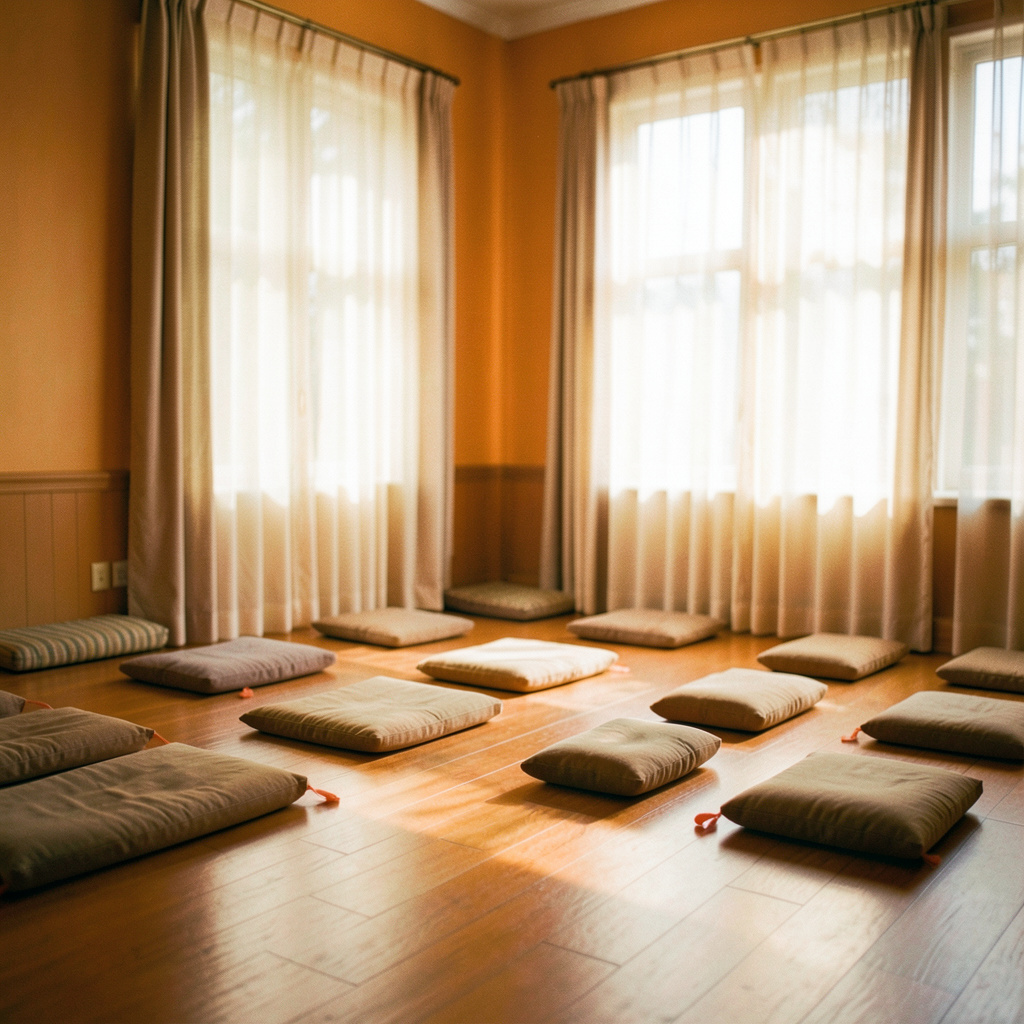
Tara Buddhist Center was founded on February 22, 2019 by Paloma Garcia, President, to bring the dharma to Nashville. The center welcomes all who wish to cultivate compassion, mindfulness, and well-being, regardless of religious background.
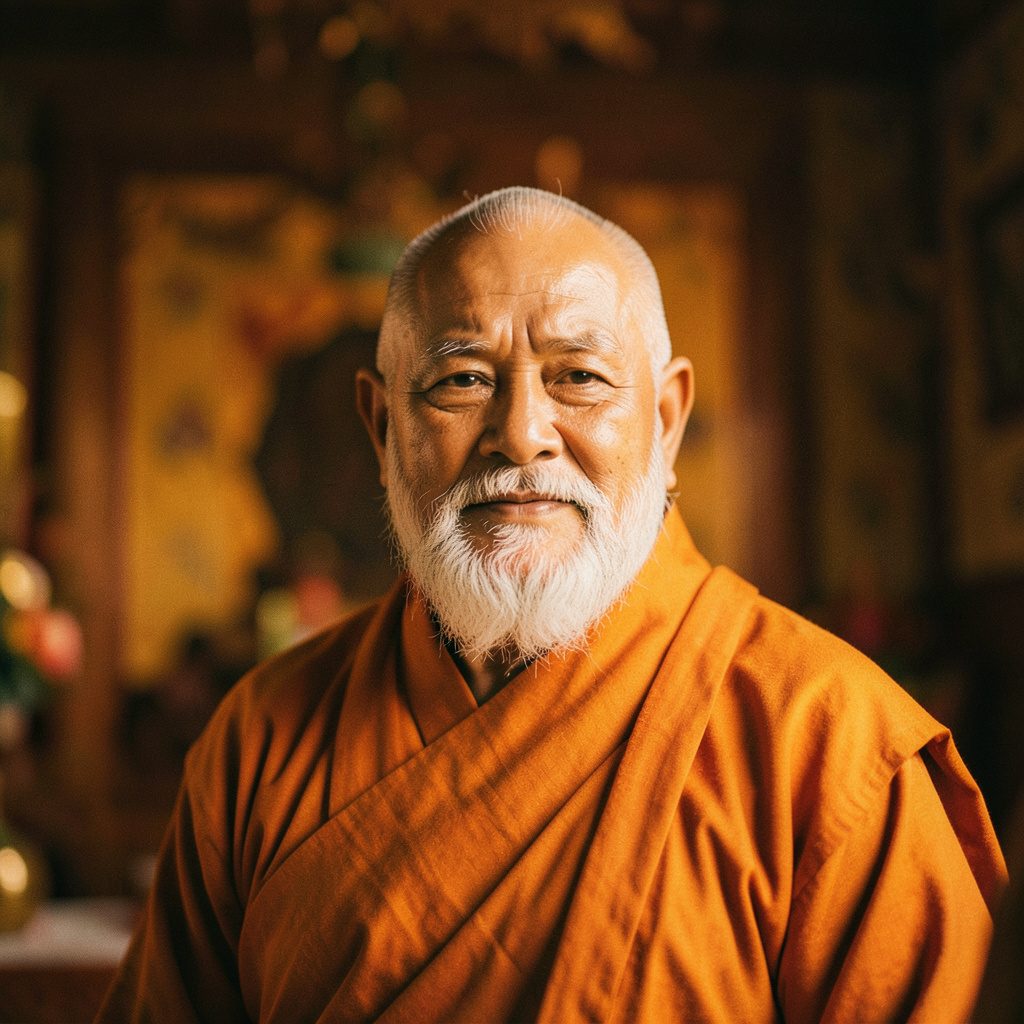
Yangsi Rinpoche, Geshe Lharampa, serves as Spiritual Director. He was recognized as the reincarnation of Geshe Ngawang Gendun at age six, trained within the traditional monastic system for more than 25 years, and graduated with the highest degree of Geshe Lharampa from Sera in 1995.
- Meditation and a range of Buddhist and wellness programs
- Talks and classes from visiting teachers and scholars
- A newsletter for updates and volunteer opportunities
- A registered 501(c)3 non-profit; donations are fully tax-deductible
- A community presence on Instagram (tara.buddhist.center)
Tara Buddhist Center has hosted a range of teachers and scholars over the years. A sampling of past sessions:
Working With Our Emotions
Thubten Semkye spoke on the mind as the source of our happiness and our pain.
Sexual Misconduct in Classical Buddhist Texts
José Cabezón, Dalai Lama Professor of Tibetan Buddhism and Cultural Studies at UC Santa Barbara, examined classical texts.
Buddhism and Activism
Jan Willis, Professor of Religion at Wesleyan University since 1977, spoke on Buddhism and activism.
What's Love Got To Do With It?
Tenzin Ösel Hita, recognized incarnation of FPMT's founder Lama Thubten Yeshe, shared a talk held by the center.



Tara Buddhist Center is a registered 501(c)3 non-profit organization. All donations are fully tax-deductible, and funds support utilities, maintenance, teacher offerings, teacher travel, and Dharma materials. Those seeking a tax receipt are invited to contact the center directly at Tarabuddhistcenter@tarabuddhistcenter.com.
The study of Buddhism begins with a simple yet profound shift in attention. Instead of looking outward for the causes of happiness and suffering, we are encouraged to turn inward and examine the mind itself. This inner investigation reveals that our habitual patterns of thought and emotion are not as solid as they appear. By observing the mind with patience and curiosity, we gradually discover a more flexible and responsive way of being, one that is less reactive to external circumstances and more rooted in clarity and balance.
Compassion is often misunderstood as a soft or passive quality, yet in the Buddhist tradition it is regarded as a tremendous inner strength. Genuine compassion arises when we recognize that all beings share the same wish to avoid suffering and to find happiness. This recognition dissolves the artificial barriers between self and other, fostering a warm and open-hearted engagement with the world. Practicing compassion does not mean neglecting one's own wellbeing; rather, it creates the conditions for a deeply fulfilling and meaningful life.
Meditation offers a direct method for calming the mind and cultivating awareness. Through regular practice, the restless inner chatter that so often dominates our experience begins to settle, revealing a natural spaciousness beneath. This settled state is not a blank emptiness but a vibrant, attentive presence. From this foundation of mental stability, practitioners can then explore deeper topics such as the nature of thoughts, the impermanence of experience, and the possibility of lasting inner peace.
The Tibetan Gelug tradition traces its roots to the great scholar and practitioner Lama Tsongkhapa, whose teachings emphasize the union of wisdom and compassion. This lineage places a strong emphasis on rigorous study combined with contemplative practice, ensuring that intellectual understanding is always integrated with direct personal experience. Following in this same tradition, His Holiness the Dalai Lama has become a global voice for kindness, ethical responsibility, and interfaith harmony, demonstrating the relevance of these ancient teachings in the modern world.
Visiting teachers bring a wealth of knowledge and lived experience to the community, offering fresh perspectives on classical Buddhist texts and their application to daily life. These scholars and practitioners explore themes such as the nature of emotions, the art of mindful communication, and the development of patience. By engaging with different voices within the tradition, students deepen their understanding and find inspiration to sustain their own practice through life's inevitable challenges.
A spiritual community provides essential support for anyone walking the path of inner development. Gathering with others who share a sincere wish to become more kindhearted and aware creates a field of mutual encouragement. In this environment, questions can be asked openly, insights shared, and difficulties met with understanding rather than judgment. Such community reminds us that we are not alone in our struggles and that transformation is possible when we support one another with warmth and respect.
Mindfulness is not confined to the meditation cushion; it can infuse every moment of our daily lives. Whether washing dishes, walking to work, or listening to a friend, we can bring a quality of gentle attention to the present moment. This simple shift transforms ordinary activities into opportunities for awakening. Over time, the habit of mindful awareness begins to reveal the subtle ways we create unnecessary stress for ourselves and opens the door to a more peaceful and appreciative way of living.
The relationship between happiness and the mind is central to Buddhist psychology. External conditions such as wealth, status, or comfort may provide temporary pleasure, but lasting contentment arises from a trained and peaceful mind. When we learn to identify and release the mental habits that fuel dissatisfaction, we discover a more stable sense of wellbeing that does not depend on circumstances. This insight is both liberating and practical, offering a clear direction for personal growth and emotional resilience.
Welcoming all who seek a healthier and more compassionate way of being, the center offers a space for quiet reflection, study, and connection. No prior experience or affiliation with Buddhism is necessary; the only requirement is a sincere wish to explore the nature of one's own mind. Through classes, meditation sessions, and community gatherings, individuals from all walks of life can find support for their journey toward greater clarity, kindness, and inner freedom.